

A Guide to the Authentic Japanese Sushi Menu
Last Updated: November 19, 2026
Quick Summary
An authentic sushi menu is built around four families: nigiri (fish over pressed rice), sashimi (sliced fish with no rice), maki (rolled rice and filling), and temaki (a hand-roll cone). Learn those names and the sushi menu stops being a puzzle. Order lean cuts first and rich cuts last.
Nigiri is served as two pieces per order; maki comes as 6-8 pieces.
Order lean sashimi first, then chutoro or salmon, then otoro or hikarimono.
Eat nigiri in one bite and dip fish-side down, not rice-side.
Ask what's good today to unlock the chef's off-menu seasonal items.
Name the specific allergen, not the dish, before you order.
Ready to order your first authentic sushi meal?
Fresh ingredients, chef-trained technique, and reasonable prices at three locations.
Table of Contents
Japanese Sushi Types: A Visual Guide to What's on the Menu
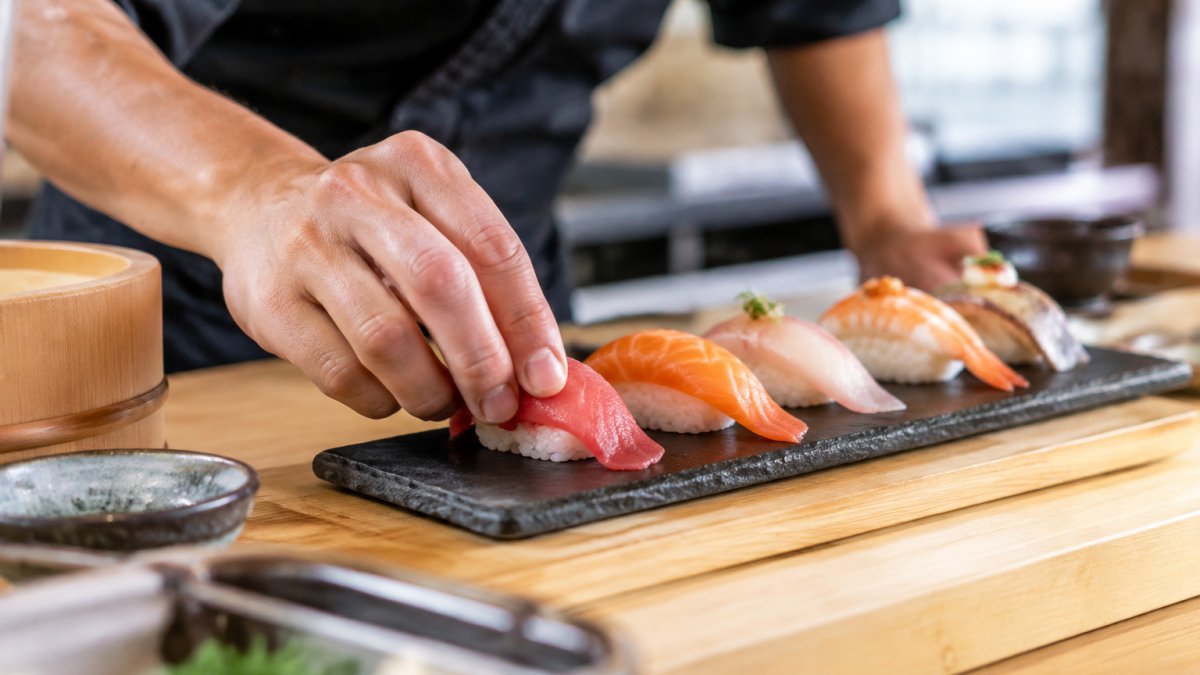
An authentic Japanese sushi menu looks intimidating the first time you hold one. The good news: almost everything on it falls into four families, and once you can name them, the sushi menu stops being a puzzle. A menu organized around those families makes it easier to order with confidence rather than guesswork. Nigiri is a slice of fish laid over hand-pressed vinegared rice. Sashimi is sliced fish served alone, no rice. Maki is rice and filling rolled in seaweed, and temaki is a hand roll shaped like a cone. That's the whole map.
Nigiri, Sashimi, and Maki at a Glance
Type | What It Is | How It's Served | Best For |
Nigiri | Fish over pressed rice | Two pieces per order | Tasting fish quality |
Sashimi | Sliced fish, no rice | Plated slices | Pure flavor, low carb |
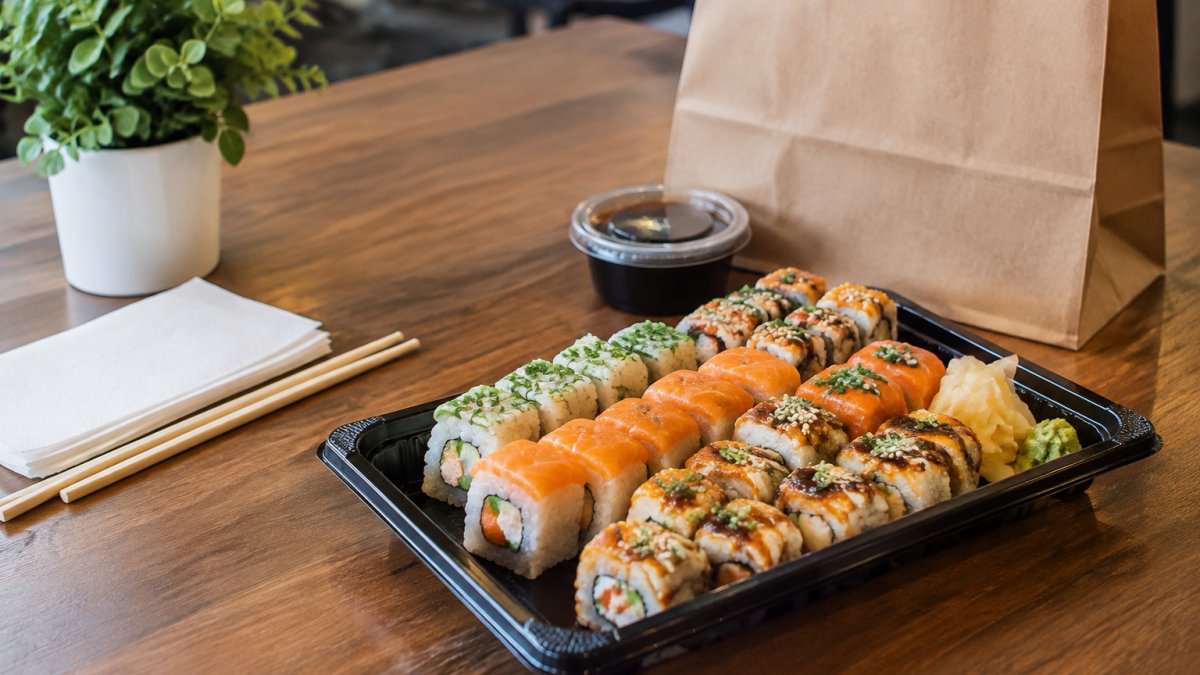
Maki | Rolled rice and filling | 6-8 pieces | Sharing, familiar flavors |
Temaki | Hand roll in a cone | One cone | Crunch and speed |
Chirashi | Assorted fish over rice | Bowl | A full meal in one dish |

Understanding Different Cuts of Sashimi
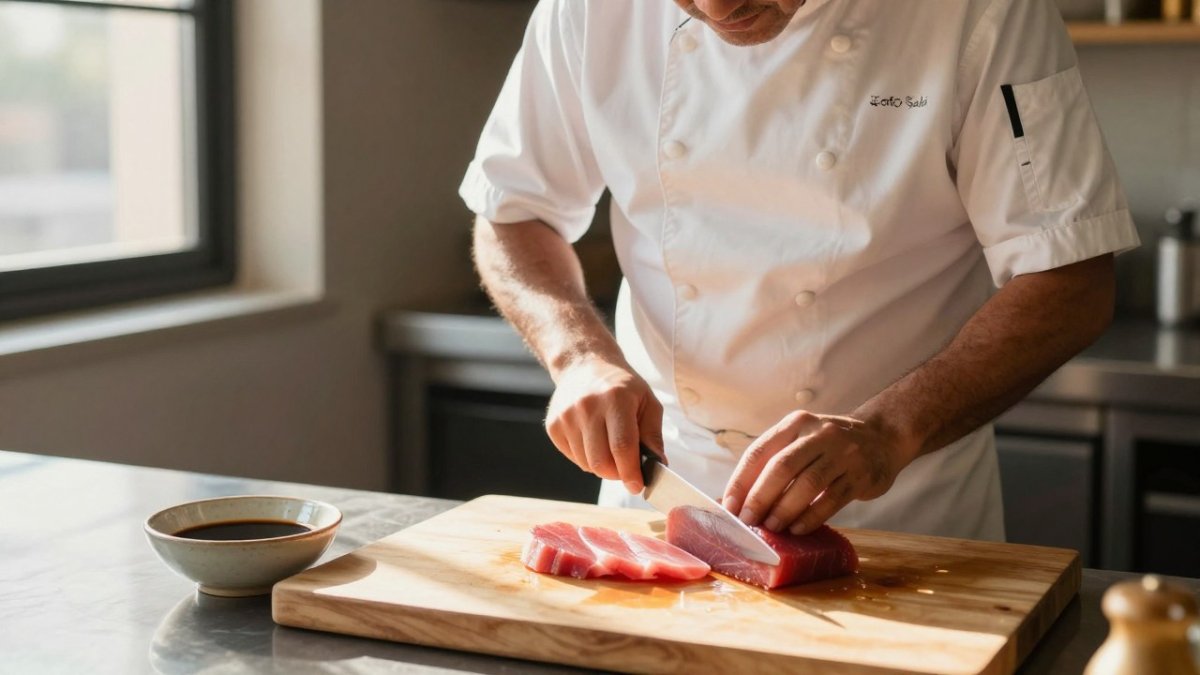
Sashimi is where a chef's skill shows, because there is no rice, sauce, or seaweed to hide behind. Cuts are chosen for texture as much as flavor, and the same fish can eat completely differently depending on where the blade lands. A common mistake is ordering sashimi expecting the same experience as nigiri; without rice, the fish's fat content and temperature dominate every bite.
Most traditional menus divide sashimi into a few recognizable families:
Akami: the lean, deep-red tuna from the top of the loin. Firm, mineral, low fat, the cut to open a sashimi course with.
Chutoro: medium-fatty tuna from the belly. Silkier than akami, still balanced. The middle step before the richest cut.
Otoro: the fatty tuna belly. Pale, buttery, and the most expensive cut on most menus. Order it later in the meal rather than first.
Hirame and tai: lean white fish (flounder and sea bream). Mild, slightly chewy, and the best test of a kitchen's knife work because there is nowhere to hide.
Sake and hamachi: salmon and yellowtail. Salmon is rich and soft; hamachi is clean and slightly sweet. Both are forgiving entry points for first-timers.
Hikarimono: silver-skinned fish such as mackerel and sardine. Oily, assertive, and usually cured with salt or vinegar before serving. These are the cuts that divide a table.
Order lean first and rich last. A practical sequence is akami or a white fish, then chutoro or salmon, then otoro or hikarimono. This progression keeps your palate from getting overwhelmed early. Ask your server which cuts are lean and which are rich before ordering.
Temperature matters as much as the cut.
Watch out: ordering every rich, oily cut at once blurs the flavors together and you lose the fish entirely, the same mistake people make with sauce-heavy rolls.
The FDA guidance on eating raw fish is worth knowing if you have health concerns, since proper handling and freezing are what make raw fish safe to serve.
Decoding the Sushi Menu: Terms, Sections, and the Hidden Menu
Menus are usually organized by category, not by price, and the section order tells you what the kitchen is proudest of. A few terms do most of the work:
Shari: the vinegared rice, the foundation of every piece
Neta: the topping, usually fish
Gari: pickled ginger, a palate cleanser between pieces
Shoyu: soy sauce, used sparingly
Wasabi: grated horseradish, already added by the chef on nigiri
The "hidden" menu is real but simple: it's whatever the chef has that's fresher or more seasonal than the printed list. Ask what's good today. That question alone unlocks most of it.
What to Order at a Sushi Restaurant, Course by Course
Start light and finish rich. Open with sashimi or a lean white fish, move to nigiri, then richer cuts, and end with a roll or hand roll if you're still hungry. This progression keeps your palate from getting overwhelmed early. A common mistake is ordering every heavy, sauce-covered roll at once; the sauces blur together and you lose the fish entirely.
If you're feeding a group, order a mix and share. It's cheaper per person and lets everyone try more.
Sushi Etiquette for Beginners: How to Eat Sushi Properly
Etiquette is simpler than people fear. Follow these and you'll look comfortable anywhere:
Eat nigiri in one bite; it's built for it.
Dip fish-side down, not rice-side, so the rice doesn't absorb too much shoyu.
Use gari between pieces to reset your palate, not as a topping.
Never rub chopsticks together; it implies cheap quality.
Don't dunk rice into soy sauce or mix wasabi into it at a sushi bar.
The real point of etiquette is respect for the chef's work, not rule-following for its own sake.
How to Order Omakase and Trust the Itamae
Omakase means "I leave it to you," and it's the best way to eat at a serious sushi bar. You tell the itamae your allergies and any hard no's, then let the chef choose the sequence. Trust builds fast when you engage: ask what's seasonal, and mention what you loved. To understand the format better, read what omakase style dining really means before you sit down. If you want to know how seriously to take the chef's credentials, authentic Japanese chef training standards explains what that background actually involves.
Seasonal Sushi and the Ingredients Behind Every Bite
Fish has seasons, and a menu that ignores them is a menu coasting on frozen supply. Spring favors lighter, leaner fish; colder months bring richer, fattier cuts. Umami, the savory depth in fish and seaweed, peaks when ingredients are at their best. Ask your server what's in season and order that. It's the single easiest way to eat better sushi.
Allergy and Dietary Substitutions Without Losing the Experience
Tell your server about allergies before ordering, not after the plate lands. That single sentence is the whole game, but the details are where most guides stop and where a traditional sushi bar gets tricky. Shellfish, soy, and gluten are the common trouble spots, and a good kitchen can steer you toward safe options, but only if you name the specific ingredient, not the general category.
A few communication habits make the difference:
Name the allergen, not the dish. "Shellfish allergy" is useful; "I can't eat seafood" is not, because it rules out fish you may be able to eat and leaves the kitchen guessing.
Ask about hidden soy and gluten. Soy sauce appears in ponzu, teriyaki, and many marinades, and imitation crab is usually bound with wheat starch. Ask whether the bar stocks tamari or a gluten-free soy sauce.
Ask what is cooked, not just what is raw. Cooked items, vegetable rolls, and rice bowls all work well for guests avoiding raw fish. Tamago (egg), inari (fried tofu pouch), and cucumber or pickled radish rolls are standard safe picks on most menus.
Confirm cross-contact. A shared cutting board or fryer is the usual failure point. Ask whether the kitchen can use a clean board and knife.
For vegan and vegetarian guests, the practical path is to build a meal from the vegetable and rice side of the menu rather than asking the chef to improvise: inari, kappa maki, avocado rolls, pickled vegetables, and miso soup (confirm the dashi is not fish-based) cover most of a meal. For gluten-free guests, the biggest risk is not the fish but the soy sauce, the imitation crab, and any tempura batter.
Watch out: saying "I'm allergic" without naming the ingredient can get you a blank stare or an over-cautious refusal, specificity is what lets the kitchen help you.
You don't have to skip the experience; you just have to say something up front, and say it precisely.
Ordering Your First Authentic Sushi Meal at Kato Sabi Sushi Bar
Our menu is built for exactly this: first-timers and regulars ordering side by side. Chef Martin Talavera has trained alongside master chefs from Japan. Our locations in McAllen, Pharr, and Edinburg aim to keep prices reasonable.
Ordering well comes down to a few habits: know the four sushi families, ask what's seasonal, and tell your server what you need. Kato Sabi Sushi Bar makes that easy, with fresh ingredients, a chef trained by master chefs from Japan, and reasonable prices at all three of our locations. Get started with Kato Sabi Sushi Bar and order your first authentic sushi meal today.
Frequently Asked Questions
What are the different types of sushi on a Japanese menu?
A traditional sushi menu groups items into a few families. Nigiri is a slice of fish over hand-pressed vinegared rice. Sashimi is sliced fish served without rice. Maki is rolled sushi wrapped in nori, with hosomaki being thin rolls and uramaki rice on the outside. Temaki is a cone-shaped hand roll meant to be eaten immediately. Chirashi scatters sashimi and toppings over a bowl of shari. Learning these five names lets you read most of an authentic Japanese sushi menu.
What is the difference between sushi, sashimi, and nigiri?
Sushi is the broad category: any dish built on vinegared rice, called shari. Sashimi is sliced raw fish served on its own, with no rice at all. Nigiri is one specific style of sushi, a piece of neta such as tuna or salmon draped over a small mound of rice. So all nigiri is sushi, but sashimi is not, which is why sashimi usually appears in its own section of the menu.
How do you eat sushi according to Japanese etiquette?
Use chopsticks or your fingers for nigiri, and dip the fish side, not the rice, into shoyu so the rice does not absorb too much salt. Eat each piece in one bite. Nibble gari, the pickled ginger, between pieces to reset your palate rather than piling it on top. Mix wasabi into soy sauce only if you prefer it; at a traditional sushi bar the itamae already seasons each piece. Finish what you order and keep conversation relaxed.
Is sushi always made with raw fish?
No. Plenty of authentic Japanese sushi menu items are cooked or cured. Unagi and anago are grilled eel, ebi is cooked shrimp, tamago is a sweet layered egg, and inari is fried tofu pouches filled with rice. Cured fish such as saba is marinated before serving. Vegetarian rolls built on cucumber, avocado, or pickled daikon are common too, so diners who avoid raw fish still have plenty to order.
What should a beginner order at a sushi restaurant?
Start with a small sashimi plate to taste fish quality, then try two or three nigiri such as salmon, tuna, and yellowtail. Add one maki roll for texture and a hand roll if you want something crisp and immediate. Order tamago near the end to judge the kitchen's basics. Keep the first visit simple and ask the server which neta is freshest that day before committing to a larger order.
How do you order omakase, and what does it cost?
Omakase means you leave the selection to the chef, who serves a sequence of small courses based on the day's best fish. Tell the server your budget and any allergies up front, then let the itamae guide the pace.
Comments