

What Omakase Style Dining Really Means at a Sushi Counter
Last Updated: November 4, 2026
Quick Summary
Omakase style dining is a Japanese restaurant experience in which the chef selects and serves each course rather than the guest ordering from a menu. The phrase translates roughly to "I leave it up to you," and that act of trust defines the whole meal. You pay for a curated menu built around what looked best that morning.
Omakase is a format, while sushi is a food; you can eat sushi à la carte without any omakase involved.
Course progression usually moves from lean to rich, with lighter fish first and oilier pieces later.
Omakase is usually priced per person for the chef's menu rather than per item.
Many counters require a credit card hold and charge a per-person fee for cancellations inside a set window, often 24 to 48 hours.
Tell the restaurant about allergies and restrictions when you book, not when you sit down.
Table of Contents
What Omakase Style Dining Means and Where It Comes From
Omakase style dining is a Japanese restaurant experience in which the chef selects and serves each course, rather than the guest ordering from a menu. The phrase translates roughly to "I leave it up to you," and that small act of trust defines the whole meal. You are not ordering dinner so much as trusting a chef's judgment for an hour or two.
The Meaning of Omakase: I Leave It Up to You
The word breaks into o (a polite prefix) and makase (to entrust or leave to). So omakase is not a dish or a style of roll. It is an agreement. You hand the chef control over what you eat, in what order, and in what quantity, and the chef accepts responsibility for making that sequence worth your time and money.
That agreement changes the economics of the meal. Instead of paying for a specific item, you pay for a curated menu built around what looked best that morning. Many first-time guests find this the hardest part to accept, and it is also the reason regulars keep coming back.
How Omakase Became a Japanese Dining Tradition
Chef's choice dining grew out of the sushi counter itself. In the traditional format, a customer sat at a counter, and the chef handed over pieces one at a time, adjusting to how quickly the guest ate and how they reacted. Over time that informal rhythm hardened into a recognized format with its own conventions, pricing, and expectations.
Japanese cuisine more broadly treats seasonality as a discipline rather than a garnish. The Ministry of Agriculture, Forestry and Fisheries of Japan documents how strongly seasonal and regional sourcing shapes traditional Japanese food culture, and omakase is that principle applied to a single counter.
How a Chef-Led Omakase Meal Actually Works
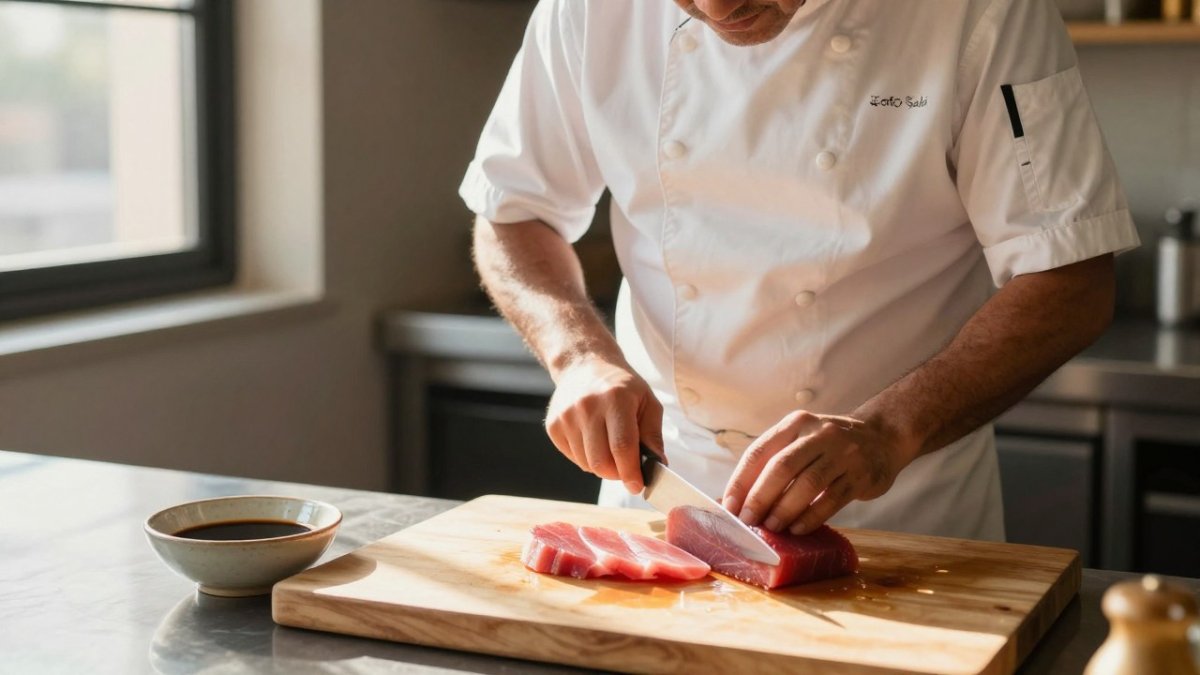
An omakase meal works as a live conversation between chef and guest. The chef prepares each piece to order, hands it across the counter, and watches your reaction before deciding what comes next.
The practical mechanics matter more than the romance. A typical service runs like this:
Seating: guests are placed at the counter, often in a single seating per evening
Opening courses: lighter, leaner fish and small plates establish the pace
Core sequence: richer fish, aged cuts, and seasonal specialties arrive in ascending intensity
Closing: a final savory bite, then something sweet or a simple roll to finish

A good chef reads the guest throughout the meal. Eating slowly or quickly can change how the pacing feels, and mentioning a favorite fish may prompt the chef to build around it.
Omakase vs Sushi: What's the Real Difference
Omakase is a format; sushi is a food. That is the entire distinction, and it clears up most of the confusion. You can eat sushi à la carte without any omakase involved, and a small number of omakase meals are not sushi at all.
| Omakase | À la carte sushi |
Who decides the menu | The chef | The guest |
Structure | Multi-course, sequenced | Whatever you order |
Pacing | Set by the chef | Set by you |
Best for | First-timers wanting the full experience | Guests with firm preferences |
The trade-off is real. À la carte gives you control and predictability. Omakase gives you range, and range is where a skilled chef shows off techniques you would never think to order. If you already know exactly what you want, order it. If you want to be surprised, sit at the counter.
Seasonal Ingredients, Edomae Technique, and the Chef's Craft
Seasonal ingredients and traditional technique are often what distinguish a considered omakase from improvisation. Edomae refers to the Tokyo tradition of treating fish before serving it: curing, marinating, aging, and lightly searing to concentrate flavor. It is preservation turned into craft.
Rice matters as much as fish here. In traditional sushi, rice is typically seasoned and formed by hand so it loosens the moment you bite. Ingredient quality shows up in texture as well as flavor.
Nigiri, Sashimi, and Small Plates in Course Progression
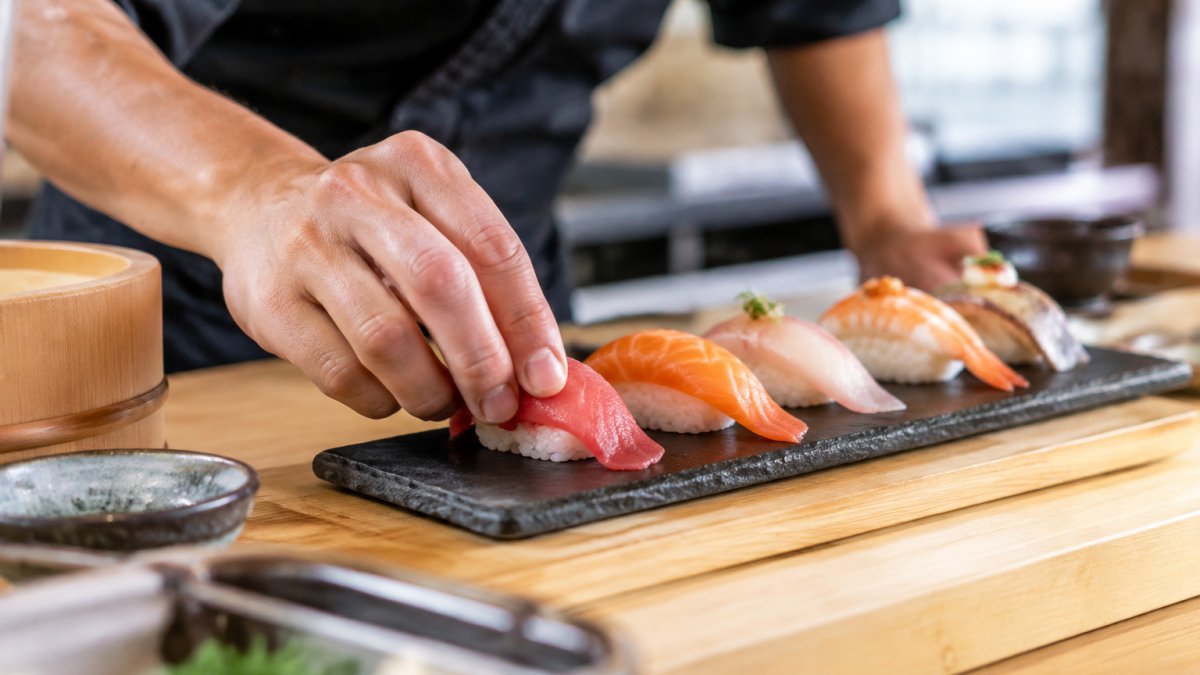
Course progression usually moves from lean to rich. Nigiri, hand-formed rice with fish on top, anchors most of the sequence. Sashimi, sliced fish without rice, appears earlier or as an interlude. Small plates and appetizers break up the rhythm and give the palate a reset.
The sequence is usually not random. Chefs commonly place lighter, milder fish first so that oilier or more intensely cured pieces land later without overwhelming the palate.
The Average Cost of Omakase and What the Bill Includes
Pricing is the question first-timers ask most. Omakase is usually priced per person for the chef's menu rather than per item, and pricing depends on the restaurant, course count, ingredients, and season. For current prices or a quote at Kato Sabi Sushi Bar, check the restaurant's website.
Menu prices are only part of the bill. Here is what can sit on top:
The final bill can be meaningfully higher than the menu price once tax, tip, and drinks are added. Budget accordingly rather than assuming the menu number is the total.
If a restaurant will not tell you the course count, the per-person price, or whether service is included before you commit, that is worth noticing. Clear answers to those three questions at booking are a good sign.
Costs generally vary by location and season, since menus built around peak-season ingredients can cost more. When you compare two counters, compare what the price includes, not just the headline number.
How Long Does Omakase Take From First Course to Last
An omakase meal typically runs for a good part of an evening, depending on course count and pacing. A shorter menu moves faster; a longer, more ceremonial sequence stretches out. The chef controls the tempo, and the tempo is part of the experience.
If you have a hard deadline, it helps to say so when you book, since a chef can adjust the sequence. Arriving rushed and saying nothing can make the meal feel mechanical.
Omakase Etiquette and Common First-Timer Mistakes
Omakase etiquette comes down to three things: eat each piece promptly, ask questions freely, and skip the heavy perfume. The food is designed to be eaten the moment it is set down. Waiting to photograph every piece lets rice cool and texture collapse.
A few rules of thumb that actually matter:
Eat nigiri in one bite where you can; it is formed for that
Use your hands or chopsticks, whichever the house prefers
Ask the chef what something is before you eat it, not after
Say something if you dislike a piece; the chef will adjust
Avoid strong fragrance, which competes with delicate fish
The biggest first-timer mistake is treating the counter like a regular table and ordering off-menu. The second biggest is staying silent when something is not working for you. Chefs want the feedback.
Dietary Restrictions, Allergies, and Non-Seafood Options
It helps to tell the restaurant about allergies and restrictions when you book, not when you sit down, so the menu can be planned around them.
Vegetarian and non-seafood guests should ask directly whether a given counter can accommodate them, since options vary by restaurant. There is no shame in asking.
The same applies to pregnancy-related restrictions, gluten avoidance, and other medical needs. Mention these at reservation time and confirm again on arrival.
Your First Omakase Visit: A Step-by-Step Walkthrough
Most guides tell you to relax and trust the chef. Useful, but not enough to walk in confident. Here is the practical sequence, from the week before to the last course.
Before you book. Decide your budget per person, including tax, tip, and drinks, and decide whether you want a counter seat or a table. Check the reservation policy: many counters require a credit card hold and charge a per-person fee for cancellations inside a set window, often 24 to 48 hours. Read the cancellation terms before you commit.
At booking. State allergies, dietary restrictions, and any medical needs in the reservation notes, and confirm them again when you arrive. It is also reasonable to ask how many courses are served, the per-person price, and whether service is included.
On arrival. Arrive on time, since a late arrival shortens your own meal. Counter seating is where the format is typically experienced, but table seating is fine.
At the start. It can help to tell the chef one or two things you love and one or two you would rather avoid. Ask how the pacing works if you are unsure.
During the meal. Eat each course promptly, since nigiri is generally formed to be eaten in one bite and its texture changes if it sits. Use your hands or chopsticks, whichever the house prefers. Ask questions as they come up; "What is this?" is a perfectly good question at any point, and chefs generally welcome it. If a piece is not working for you, say so early, the chef can only adjust to what they hear.
Pacing signals. Chefs generally pay attention to how you eat, and your pace can affect how quickly courses arrive. If you need a pause, say so.
At the end. Confirm what the bill includes before you pay, and check whether a service charge was already added.
That is the whole playbook. The rest is trust.
Booking Your Omakase Experience at Kato Sabi Sushi Bar
The challenge with omakase is finding a counter where the chef's judgment is worth handing over, and where the price does not punish you for being curious. That is the gap we built Kato Sabi Sushi Bar to fill.
Our kitchen is led by Chef Martin Talavera, who trained alongside master chefs from Japan, and our menu pairs fresh ingredients with expert techniques. We are committed to delivering high-quality culinary creations at reasonable prices across our McAllen, Pharr, and Edinburg locations. As one guest put it, our menu is full of favorites and new discoveries.
Get started with Kato Sabi Sushi Bar and let the chef decide what lands in front of you next.
Frequently Asked Questions
What does omakase style mean?
Omakase style means the chef chooses the meal for you. Instead of ordering from an à la carte menu, you sit at the counter and the chef serves a sequence of small courses, usually nigiri, sashimi, and a few prepared plates, based on what is freshest that day. The phrase translates roughly to 'I leave it up to you.' You are paying for the chef's judgment, seasonality, and technique rather than picking individual rolls.
Is omakase always sushi?
No. Omakase is most associated with sushi counters, where the meal is built around hand-formed nigiri and sashimi. But the format also appears in other Japanese kitchens, including tempura, kaiseki, and grill-focused restaurants, where the chef still decides the courses. Outside Japan, some non-Japanese restaurants borrow the term for chef's-choice tasting menus. If sushi is what you want, confirm with the restaurant that the omakase is a sushi-focused menu before you book.
How much does an average omakase cost?
The average cost of omakase varies widely by city, chef reputation, and course count, and it is usually priced per person rather than per item. Menus with more courses, premium fish, and counter seating tend to cost more. Because pricing depends on the restaurant and the season, check the current menu or call ahead for the exact per-person price, and ask whether gratuity, beverages, and tax are included in the quoted figure.
How long does omakase take?
How long omakase takes depends on the number of courses and the pace the chef sets. A shorter counter menu moves faster, while a longer multi-course progression with appetizers, nigiri, and a final course takes longer. Eat at the pace the chef serves, and tell the staff upfront if you have a time limit so the courses can be adjusted.
What is the proper omakase etiquette?
Omakase etiquette is simpler than it looks. Arrive on time, since a late arrival shortens your own meal. Eat each piece soon after it is placed in front of you, ideally in one bite, and use your hands or chopsticks as the restaurant prefers. Avoid heavy perfume at the counter, ask the chef about the fish when you are curious, and let staff know about allergies or dietary restrictions when you book rather than mid-course.
Do you have to dress up for omakase?
Dress codes vary by restaurant. Upscale counters may expect smart casual, while neighborhood sushi bars are more relaxed. A safe choice is clean, comfortable clothing you can sit in for an hour or two. When in doubt, check the restaurant's website or ask when you make your reservation, since a quick question avoids showing up over- or under-dressed.
Can I do omakase if I have dietary restrictions or don't eat seafood?
Many restaurants can adapt, but you need to tell them in advance. Mention allergies, aversions, and any ingredients you cannot eat when you book so the chef can plan courses around them. Non-seafood options are more limited at sushi-focused counters, so ask what the kitchen can prepare before you reserve. Clear communication ahead of time gives the chef room to build a menu you can actually enjoy.
Comments